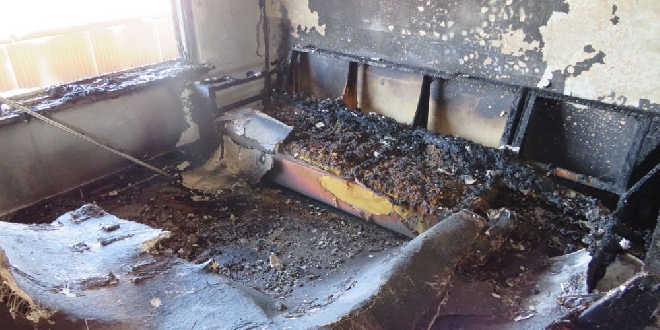
Lithium-ion batteries are still a major cause of house fires with the Department of Fire and Emergency Services (DFES) urging West Aussies to remain vigilant.
So far this year, firefighters have responded to 93 lithium-ion battery fires, an average of three every week, sparked by common household items such as laptops, power banks, e-rideables and power tools.
Nearly one third of those involved batteries igniting even when they were not on charge.
DFES said while it was difficult to determine exactly why a battery has failed, proven factors include poor quality, damage or over-charged products.
Batteries can enter a dangerous state known as thermal runaway, causing them to overheat, explode or emit toxic gas.
It can then result in a fire starting several metres away from the device, potentially engulfing an entire room — or home — in minutes.
This Ravenswood home was destroyed on December 1, 2024. It was sparked by a lithium-ion battery pack of a power tool which was charging in the garage. VIDEO: DFES
With millions of lithium-ion battery products entering Australian homes every year, Fire and Emergency Services Commissioner Darren Klemm AFSM is urging everyone to take extra precautions, regardless of how small or common the device may be.
“Lithium-ion batteries are generally safe if purchased from trusted retailers and handled responsibly but compromised products that enter into thermal runaway can escalate quickly and cause devastating housefires,” he said.
“Be careful where you store your lithium-ion battery products and ensure they’re charged on a hard surface, away from flammable items such as beds, carpet or couches.
“I also urge people to install and check their smoke alarms, particularly in garages — we see a lot of fires starting in carports as people often store their power tools and other devices there.”
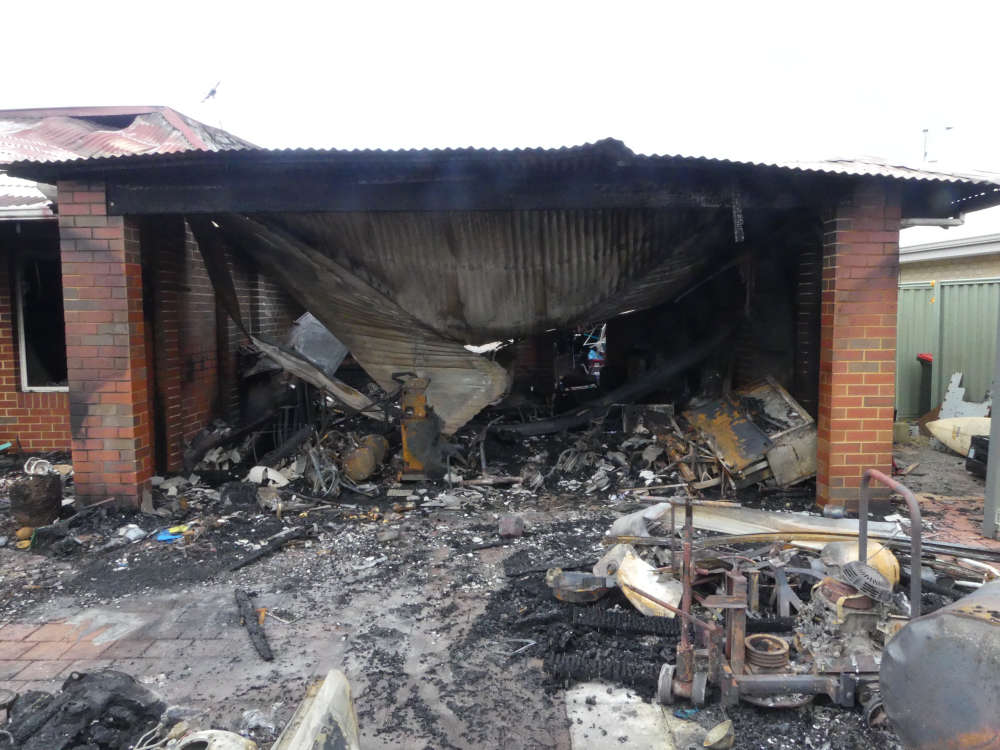
The fire tore through the garage of the Ravenswood home. PIC: DFES
While lithium-ion batteries are a growing concern, Commissioner Klemm said it was important that the public was aware of other traditional home fire hazards such as kitchen fires, unattended heaters and candles.
“So far this winter, there have been 185 residential structure fires in WA – that’s an average of two a day,” he said.
“DFES typically sees a spike in house fires in the winter months as people spend more time indoors and leave heating appliances on.
“This is a timely reminder for the community to be vigilant around other fire hazards such as candles, unattended heaters and kitchen fires.”
To reduce the risk of lithium-ion battery fires, DFES recommends purchasing reputable products, sourcing replacement batteries from the original supplier and regularly checking for signs of physical damage and overheating.
Set a timer that will remind you to remove a fully charged device before you go to sleep; and install a hard-wired interconnected smoke or heat alarm in areas of the home where you are charging devices.
For more information visit www.dfes.wa.gov.au/homefire
Aerial vision of the Ravenswood property. PIC: DFES
 Teen boy killed after being struck by two cars while crossing road in Warnbro
 Free supplies, health checks, advice for Mandurah pet owners
 Rockingham Detectives ask for public's help to find wanted man
 LISTEN: WA Police release triple-0 call from shooting murder of bikie boss Nick Martin at Kwinana Motorplex
 Police pursuit comes to crashing end in East Rockingham
 Tensions boil over in Rockingham council chambers as motion to reinstate weekly red bin collections is defeated
 WA's first public National War & Service Animal Day commemoration to be held at Dawesville War Memorial
 New road safety laws to be named in memory of Furnissdale hit-and-run victim
 UK nuclear submarine docks at Rockingham's HMAS Stirling