


With the return of warm, sunny weather this weekend, RSPCA WA is warning pet owners about spring dangers to our furry friends.
Snake bites, bee stings and grass seeds can be life-threatening for pets, but lesser-known risks like skin allergies, toxic plants and even asthma can also cause discomfort and stress for our animals.
Australian Google Trends data shows searches about dogs bitten by snakes and suffering bee stings hit a year-high last month, with 200 searches in a single week.
More cases can be expected over the coming months, as the weather continues to heat up.
RSPCA WA Shelter Manager Emily Smith suggested pet owners take precautions now to minimise the risk of spring dangers to their pets.
"Cut long grass in the backyard and get rid of any rubbish, such as leftover timber or garden cuttings, which could make an appealing home for snakes," she said.
"When you walk your dog, keep them on a leash unless you’re sure the area is safe, and watch they’re not exploring thick bush or long grass."
Ms Smith said bee stings were most common around pets’ mouths and feet, and reactions could range from mild irritation to full anaphylaxis.
"Signs such as swelling and your pet scratching, licking or chewing at the sting are pretty common, but if your pet is exhibiting hives, vomiting or difficulty breathing they should see a vet straight away," she said.
Ms Smith said coughing, sneezing and itchiness in pets during spring should not be ignored.
"There are lots of treatments available that can help keep your pet comfortable during those peak hay-fever months of October through December," she said.
"Soothing baths, oral medications, antihistamine creams, or even pet inhalers are options you can discuss with your vet."
FIVE SPRING PET DANGERS
Snakes: Signs of a bite include weakness, twitching muscles, difficulty blinking, loss of bladder/bowel control, dilated pupils, and bloody urine. Contact a vet straight away.
Bee stings: Stings are common in spring, mostly around your pet’s mouth and feet, so keep your eyes peeled while walking. If your pet is stung, remove the sting if possible and contact a vet.
Allergies: Watch for inflamed areas/rashes and monitor how much your pet scratches so you’ll notice any changes. Excessive sneezing, red eyes or a runny nose may also need treatment.
Grass seeds: Grass seeds lodged in your pet’s skin can lead to a range of issues, from pain and swelling, to more severe problems like pneumonia and bladder infections. Check your pet weekly and keep their fur brushed and clipped to a manageable level.
Garden risks: Fertilisers, some garden mulches and plants, and snail/slug/rat baits can be toxic to dogs and cats. If you think your pet may have eaten these products, contact a vet immediately.
 Locals urged to look out for man who removed electronic monitoring device
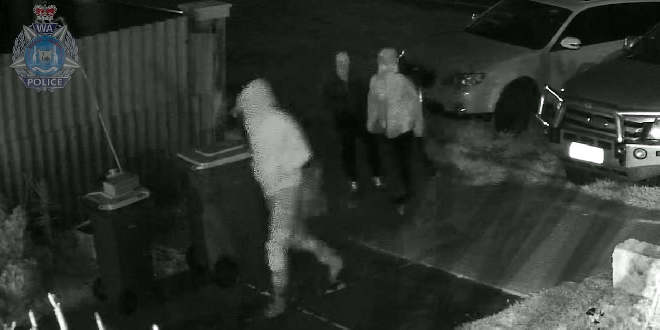 Four charged over brutal Warnbro home invasion allegedly linked to illicit tobacco trade
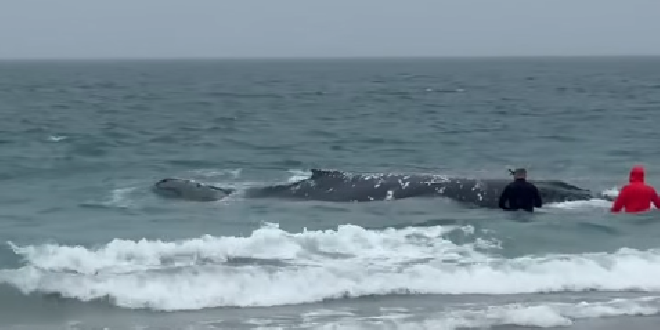 WATCH: Whale beached at Long Point
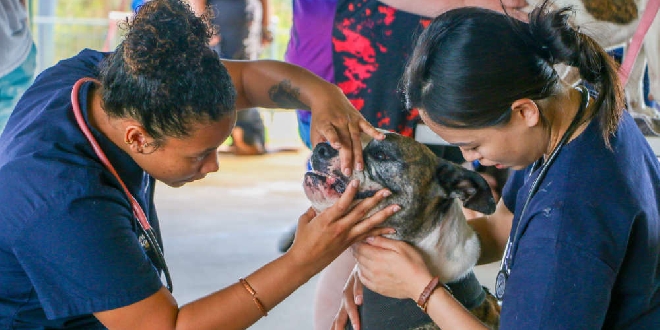 City of Rockingham records steep increase in animal cruelty complaints related to untreated medical conditions
 Accused dirt bike hoons charged by Mandurah Police
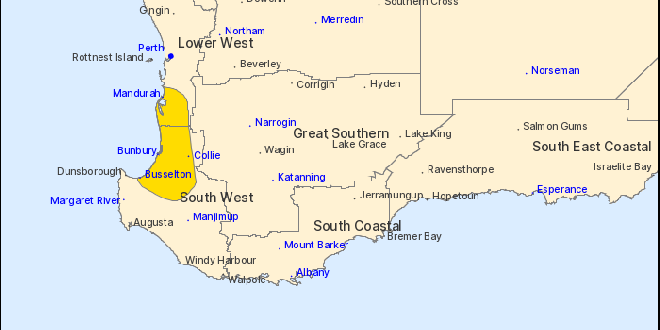 Heavy rainfall, thunderstorms to lash Mandurah down to Busselton
 Drivers escape serious injury after West Pinjarra, Baldivis crashes
 Police investigate stabbing of two men at Warnbro home
 Shark sighted in Dawesville Channel